
"Tanzania coffee roast"
2000 article(s) found

Tanzania AA Coffee Bean Sieve size characteristics Flavor Description Taste Estate Introduction
Tanzania AA Coffee Bean Sieve size Features Flavor Description Manor Introduction Tanzania's main coffee growing area is located at the foot of Mount Kilimanjaro, which has rich volcanic soil. Coffee trees planted here are more than 100 years old. The earliest coffee was first introduced from Kenya by Christians. Coffee trees must be carefully cared for, weeded and fertilized.
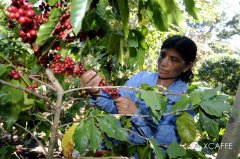
Tanzania, one of the beans represented by Africa.
Boutique coffee beans must be excellent varieties, such as the original bourbon species, mocha species and Tippica species. The coffee beans produced by these trees have unique aroma and flavor, which is far from that of other tree species, but the relative yield is low. in recent years, in order to pursue the ability of disease and insect resistance and increase the yield, there have been many improved tree species, such as the massive promotion of high-yield rurial11 species in Kenya.

Sweet aroma of Tanzania Kilimanjaro Coffee Flavor description introduction to the characteristics of the varieties
Tanzania's main coffee producing area, located at the foot of Mount Kilimanjaro, is rich in volcanic soil. Some coffee trees planted here are more than 100 years old. Coffee was first introduced by Christians from Kenya to grow coffee. Coffee trees must be carefully taken care of, weeded and fertilized. And old branches must be cut off so that new branches can grow to maintain the quality of coffee beans.

Introduction to the characteristics of Tanzania Coffee Flavor Manor with strong Glycol degree
Tanzania's main coffee producing area, located at the foot of Mount Kilimanjaro, is rich in volcanic soil. Some coffee trees planted here are more than 100 years old. Coffee was first introduced by Christians from Kenya to grow coffee. Coffee trees must be carefully taken care of, weeded and fertilized. And old branches must be cut off so that new branches can grow to maintain the quality of coffee beans.

What coffee beans are produced in Tanzania? Tanzania coffee is sour and unsour with strong texture and soft acidity.
Professional coffee knowledge exchange more coffee bean information please follow the coffee workshop (Wechat official account cafe_style) front street-Tanzania Coffee introduction Tanzania's full name is the United Republic of Tanzania, the geographical location is south of the equator in eastern Africa, the world-famous East African Rift Valley divides into east and west branches from Lake Malawi to the north and south. The whole terrain is high in the northwest and low in the southeast.

The quality of Tanzanian coffee is of the best grindability, taste and flavor description, roasting degree record manor.
Tanzanian coffee is mostly washed. After picking, coffee farmers will send the coffee fruit to the nearest processing plant for processing. The treatment step of the water washing method is to screen and remove the impurities in the coffee fruit, then remove the coffee pulp and exocarp, send it into the fermentation tank, and remove the pectin layer from the inner pericarp by fermentation. Clean

Coffee in Tanzani, Tanzania. The sour flavor of coffee in the Meru Mountains of Mount Kilimanjaro.
Boutique coffee (specialty coffee) is also called specialty coffee selection coffee. It refers to coffee made from a small number of raw beans with excellent taste grown in an ideal geographical environment. Depending on the special soil and climatic conditions in which they grow, they have outstanding flavor. After strict selection and classification, this kind of coffee is hard in texture, rich in taste and stylish.

Tanzania Coffee Bean Roast Degree Introduction
1, coffee roast coffee taste because of coffee bean type, grinding method, roast degree, quality and difference. The type of beans is essential, but the method of grinding and the degree of roasting are subjective artifacts. Basically, coffee is made through a process of harvest selection, roasting, grinding and extraction, but the roasting technique is the most important to control the coffee flavor.

Tanzania Coffee East / Central Africa Coffee Family African Coffee characteristics
The term "fine coffee" was first put forward by Ms. Knudsen of the United States in Coffee and Tea magazine. At that time, Ms. Knudsen, as a coffee buyer at B.C. Ireland in San Francisco, was very dissatisfied with the neglect of the quality of raw coffee in the industry, and even some big roasters mixed a large amount of Robesda beans in the comprehensive beans, so she put forward the concept of boutique coffee.

Cultivation of boutique coffee beans in the sour coffee farm in Arusha, Tanzania
First: choose good quality coffee beans, because the use of poor quality coffee beans, of course, will greatly damage the flavor of coffee, even if the production of a very balanced single coffee, but also can not make delicious coffee, the choice of good quality coffee beans is the biggest point. Second: get rid of defective beans, mixed with defective beans, the taste will become worse. So we should get rid of the defective beans without stinginess.

Introduction to the roasting method of Tanzanian coffee with grade flavor
Professional coffee knowledge exchange more coffee bean information please follow the coffee workshop (Wechat official account cafe_style) Tanzania coffee's sweet citrus fruit aroma and taste make you feel the flavor of orange and grapefruit. In fact, Tanzanian coffee is very similar to Kenyan coffee. The two kinds of coffee also exude African acidity and citrus aroma. And Tanzanian coffee is even more unique.

Tanzania Coffee Flavor with excellent taste introduction to boutique coffee in manor producing area
Coffee is like the simple, frank and enthusiastic national character of Tanzania. Its refreshing acidity and medium mellowness complement sweet citrus and floral aromas. You can see that different ethnic groups produce different flavors of coffee, while the same land breeds coffee trees and people at the same time. Tanzania's main coffee producing area is located at the foot of Mount Kilimanjaro, which is rich in volcanic soil.

A brief introduction to the Origin, Development, History and Culture of Fine Coffee beans in Arusha Coffee Manor
Fresh is the most important factor in buying Kilimanjaro coffee beans. There are several steps to judge whether the beans are fresh or not: 1. Grab a handful of coffee beans and feel whether they are solid beans with the palm of your hand. 2. Whether it is enough to smell the aroma close to the nose. 3. Put a bean into your mouth and bite it twice. There is a clear sound indicating that the bean is well preserved and not damp. If you want to buy a single item

Introduction of boutique coffee producing areas in Tanzania A brief introduction to the taste and flavor of Tanzania coffee manor
Tanzania's main coffee producing area, located at the foot of Mount Kilimanjaro, is rich in volcanic soil. Some coffee trees planted here are more than 100 years old. Coffee was first introduced by Christians from Kenya to grow coffee. Coffee trees must be carefully taken care of, weeded and fertilized. And old branches must be cut off so that new branches can grow to maintain the quality of coffee beans.

Elton Farm from Mbozi production area in Tanzania introduces the tonality and sun-treated flavor of the original fruit.
The exchange of professional baristas please follow the Coffee Workshop (Wechat official account cafe_style) about Elton Farm Elton Farm Elton is a family-run farm located in the Mbeya in Mbozi district. The Elton family bought the farm and operated it themselves in 2006, employing about 50 workers to help harvest coffee cherries during the harvest season. On the farm

Introduction to the grinding scale of the quality and taste characteristics of Tanzania coffee bean flavor description treatment
First: choose good quality coffee beans, because the use of poor quality coffee beans, of course, will greatly damage the flavor of coffee, even if the production of a very balanced single coffee, but also can not make delicious coffee, the choice of good quality coffee beans is the biggest point. Second: get rid of defective beans, mixed with defective beans, the taste will become worse. So we should get rid of the defective beans without stinginess.

Flavor and taste characteristics of coffee manor in Tanzania introduction of Kilimanjaro Coffee Bean
Tanzania has a total population of 44.9 million (2013), of which Zanzibar is 1.3 million. They belong to 126 ethnic groups, with a population of more than 1 million, including Sukuma, Nyamvich, Chaga, Hehe, Makandi and Haja. There are also some descendants of Arabs, Indo-Pakistanis and Europeans. [12] the total population of Tanzania is about 95% of the middle class Tu language family, 4% of the Nilot language family, and another

Introduction of Tanzania Coffee Brands
Professional barista communication please follow the coffee workshop (Wechat official account cafe_style) Tanzanian coffee: Tanzanian coffee is a premium brand coffee, which has received a lot of attention recently. In fact, coffee from Tanzania has long been loved by Europeans and is among the most famous products. The nickname given by Europeans to a coffee gentleman in Tanzania and a coffee connoisseur in China.

Tanzania Kilimanjaro Coffee Bean Flavor and Taste Manor
Tanzania's main coffee producing area, located at the foot of Mount Kilimanjaro, is rich in volcanic soil. Some coffee trees planted here are more than 100 years old. Coffee was first introduced by Christians from Kenya to grow coffee. Coffee trees must be carefully taken care of, weeded and fertilized. And old branches must be cut off so that new branches can grow to maintain the quality of coffee beans.

Introduction to the characteristics of roasting degree and price of washed Tanzanian coffee
In October 2000, Mkapa was re-elected president of the United Republic, and Karume, a candidate of the Revolutionary Party, was elected president and repeatedly expressed his position of safeguarding national unity, which further dealt a blow to the separatist forces. Since 2001, the coalition government has continued to consolidate the situation of unity, maintain the coalition regime, strive for moderate forces, crack down on the separatist forces in Zanzibar, and allocate budgetary funds and other matters related to Sang.